Tree Removal Metairie for Unsafe Trees After Heavy Rain
@daltonyilr557
October 27, 2026 · 14 min read
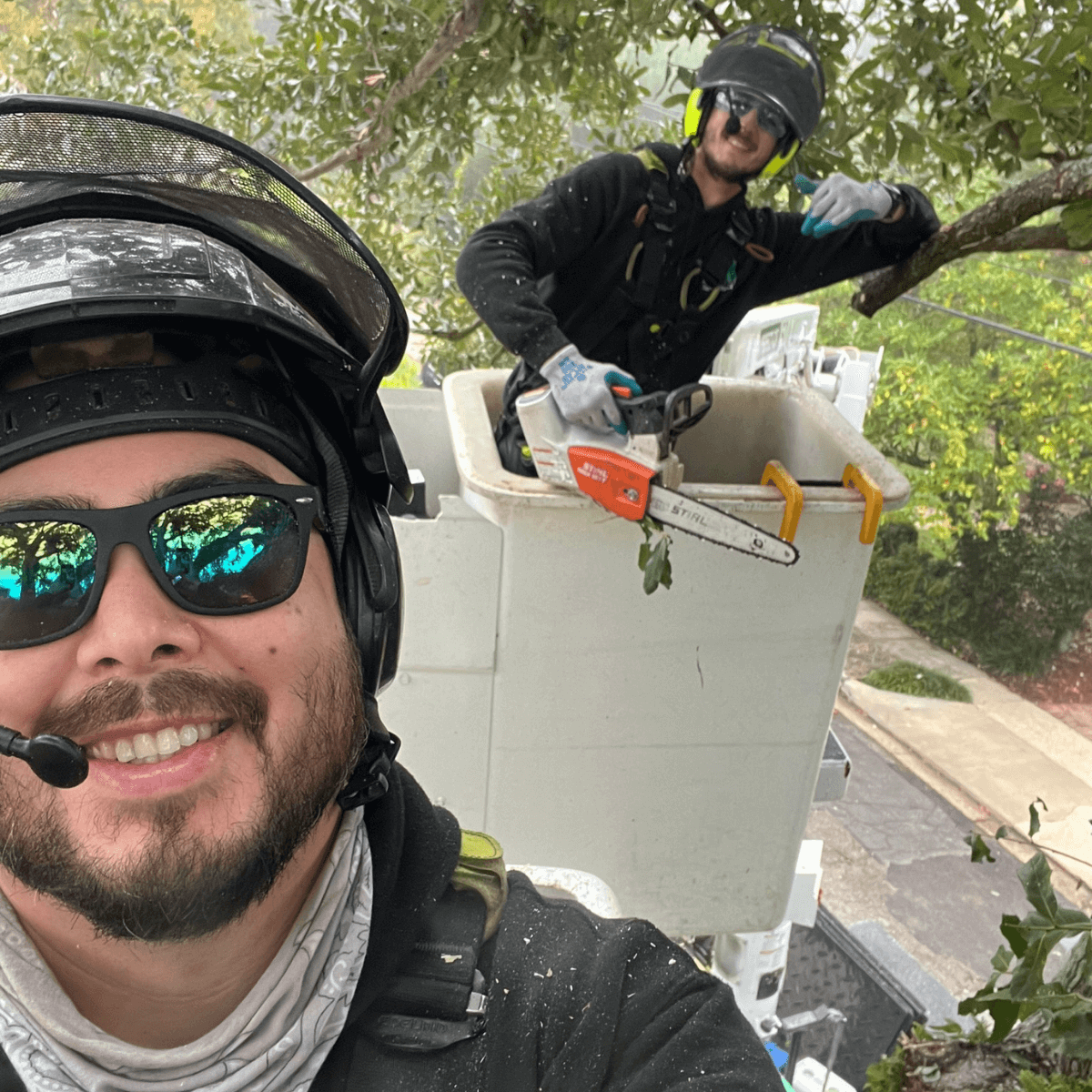

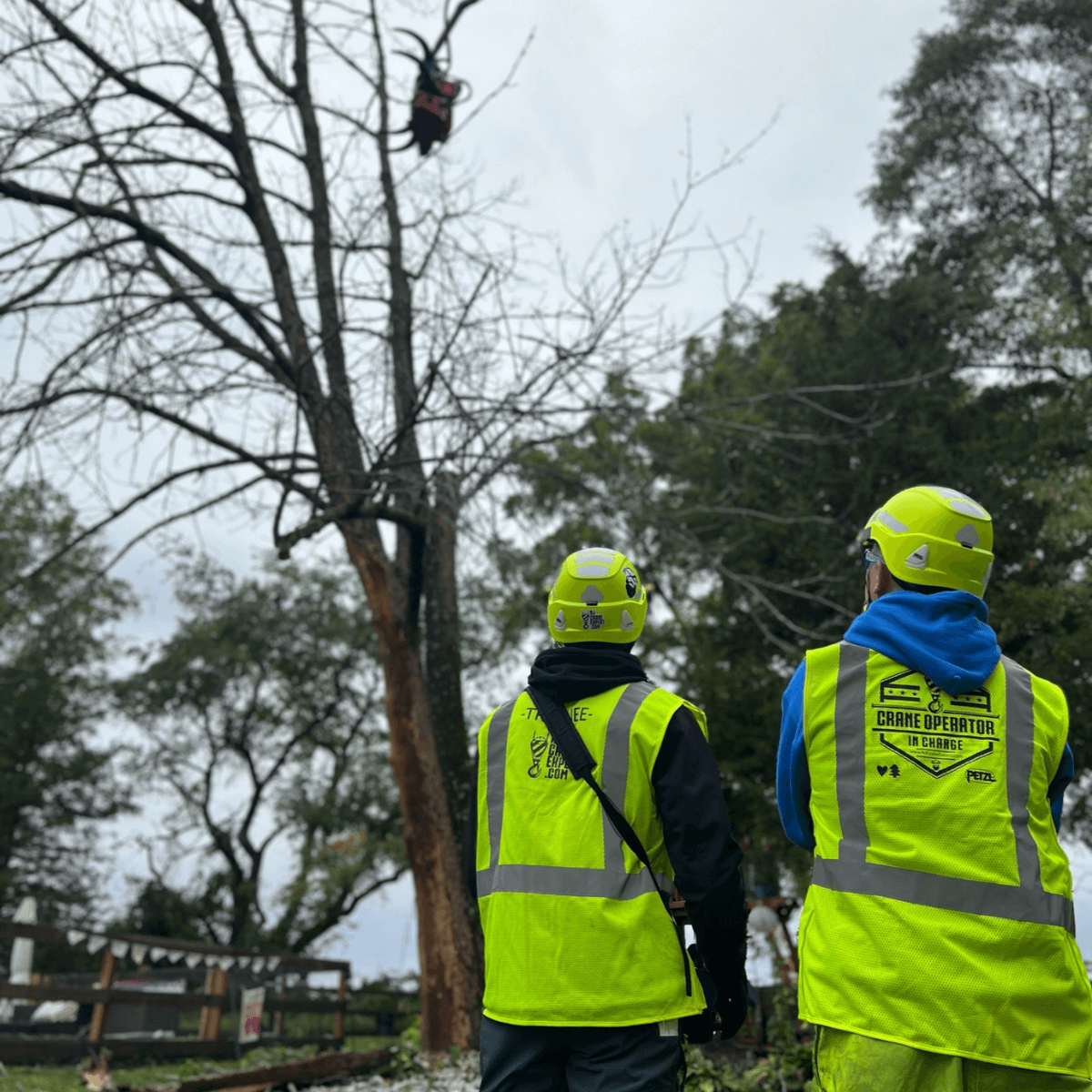
Heavy rain changes trees in ways many property owners do not see until the damage is already underway. A live oak that looked solid in spring can start leaning by late summer. A water oak with a full green canopy can hide root failure below the soil line. In Metairie, where saturated ground, high humidity, and storm-driven weather are part of life, unsafe trees often reveal themselves only after the rain has passed.
That delay is what makes post-storm tree decisions so difficult. A tree may still be standing, still leafed out, and still familiar enough that a homeowner wants to believe it is fine. Yet the combination of soaked soil, weakened roots, internal decay, and added wind load can turn a stable tree into a real hazard in a matter of hours. When that happens near a house, driveway, fence, power line, or neighbor’s roof, waiting is rarely the safer option.
The need for tree removal Metairie homeowners face after heavy rain is not always obvious from the street. The most dangerous failures often begin underground or inside the trunk. You might notice a slight lean, cracked soil, fresh bark separation, or a canopy that suddenly thins on one side. Those details matter. In my experience, the trees that fail after prolonged rain are often the ones people were “watching” for months but never acted on because there had not been a hard enough trigger yet. Then one week of saturated ground does the rest.
Why heavy rain creates a different kind of tree risk
Wind gets most of the attention because it is dramatic. You hear it, you see limbs moving, and when a tree falls during a storm the cause seems obvious. Heavy rain is quieter and often more deceptive. It changes the relationship between roots and soil. Once the ground stays wet long enough, root anchorage weakens. Clay-heavy areas can become slick. Fill soil around newer construction can soften fast. Low spots that hold water may stay unstable for days after skies clear.
That matters in Metairie because many residential lots are built landscapes, not untouched forest ground. Grade changes, old drainage patterns, paved surfaces, compacted soil, and utility work all affect how a tree handles prolonged saturation. A mature tree that tolerated ordinary conditions for decades may be less resilient than it appears if part of its root zone was cut during a patio installation, compressed by parked vehicles, or buried under added soil years ago.
Some species handle wet conditions better than others, but no tree is immune to structural failure when several stressors stack up. Root rot fungi, old pruning wounds, codominant stems, cavity formation, and hidden termite damage can sit in the background for years. Heavy rain turns those long-standing weaknesses into urgent problems. It is less about a single event and more about accumulated compromise.
What unsafe looks like after the rain stops
The first inspection should be slow and practical. You are not trying to make a perfect diagnosis from the yard. You are trying to decide whether the tree needs immediate professional attention, restricted access around it, or prompt removal.
A slight lean by itself does not always mean a tree is failing. Some trees grow with a natural lean and remain sound for decades. What raises concern is change. If the trunk angle is different than it was before the storm, if the ground is lifting on one side, or if fresh cracks have opened around the base, the tree may be in active root plate failure. In that stage, it can come down with very little warning.
Canopy behavior also tells a story. A sudden drop in leaf density on one side, hanging limbs that were not there last week, or a split where two large stems join together deserves close evaluation. Rain loads foliage, making already weak unions more likely to separate. I have seen large limbs stay attached by strips of bark for a day or two after a storm, only to fall later under their own weight when conditions seem calm.
The trunk should be checked for fresh vertical cracks, oozing, hollow sounds, exposed decay, and bark that has sloughed off. At the root flare, mushrooms, soft wood, and soil heaving are especially important signs. A tree does not need to be dead to be dangerous. In fact, many hazardous trees are still actively growing.
Red flags that usually justify urgent action
- newly exposed roots or soil lifting near the base
- a fresh lean toward a structure, driveway, or neighboring property
- large cracked limbs hanging in the canopy
- a split trunk or separation at a major branch union
- contact with utility lines, service drops, or mast connections
When two or more of those conditions are present, the conversation often shifts from pruning or monitoring to immediate risk reduction. In practical terms, that usually means keeping people away from the area and scheduling professional assessment right away.
The trees that most often become problems in Metairie neighborhoods
Every region has patterns. Around Metairie, large shade trees are prized because they cool homes, shape curb appeal, and make older neighborhoods feel established. The downside is that many of these trees are now mature to overmature, with broad canopies extending over roofs, garages, sidewalks, and streets.
Water oaks are a familiar example. They grow fast and provide excellent cover, but mature specimens can become brittle and decay-prone. Limbs may fail without a dramatic warning. Laurel oaks and other fast-growing oaks can show similar issues. Live oaks are stronger overall, but even they are not exempt from storm-related root failure, especially where construction has disturbed the root zone or where poor drainage keeps soils saturated.
Pines can also become unpredictable after heavy rain. Their root systems may not hold as well in soaked ground, and once a pine starts to lean significantly, correction is rarely realistic. Crepe myrtles, magnolias, and smaller ornamentals can fail too, though the consequences are often less severe unless they are near vehicles, glass, or pedestrian areas.
A neglected multi-stem tree is another common problem. Homeowners often leave volunteer trees in place because they grow quickly and provide privacy. Years later, those stems are tall, heavy, and attached at narrow angles with included bark. In dry weather the defect stays hidden. After rain, one stem can peel away from the others with remarkable force.
Why waiting often makes removal harder and more expensive
There is a narrow window after heavy rain when a bad tree is still accessible enough for a controlled removal. Miss that window, and several complications can develop.
The first is further movement. A tree that is beginning to fail may settle more each day, which reduces safe climbing options and limits where equipment can be positioned. The second is collateral damage. A limb that could have been rigged down safely on Monday may crash through a fence by Thursday. The third is scheduling pressure. After a widespread weather event, reputable crews fill up fast. Homeowners who wait until a tree is visibly collapsing often end up facing emergency pricing and fewer choices.
Removal itself also becomes more complex when the ground remains soft. Heavy trucks and lifts can rut lawns, damage irrigation, or become impossible to use in narrow side yards. That does not mean the work should be delayed automatically. It means the removal plan has to reflect site conditions. Sometimes a skilled crew will dismantle a tree by climbing and lowering sections by rope. Other times a crane is the safest answer if access allows. The point is that unstable trees rarely become simpler with time.
The judgment call between pruning, cabling, and full removal
Not every storm-damaged tree needs to come down. A good assessment weighs structure, species, target area, and the owner’s tolerance for risk. If a healthy tree loses one major limb but the remaining structure is sound, selective pruning may restore safety. If the issue is a weak branch union in an otherwise valuable tree, cabling or bracing can sometimes reduce the chance of failure. Those interventions make sense when the tree has strong long-term prospects.
Full removal becomes the better choice when the core structure is compromised, the root system is failing, decay is extensive, or the tree is positioned where any future failure would be unacceptable. A tree leaning over a child’s bedroom, for example, is not judged the same way as the same tree leaning into an open rear lot. Context matters.
This is where experience matters too. I have seen homeowners spend money trying to preserve trees that had poor odds from the start, especially when sentimental value was involved. I understand the impulse. A mature shade tree can feel like part of the property’s identity. But preserving a tree with severe root instability or trunk decay often means paying now for temporary mitigation and paying again later for emergency removal. Honest advice should make that trade-off clear.
What a professional removal plan should account for
A proper post-rain tree removal is more than cutting wood until it hits the ground. The crew should be evaluating fall paths, load points, swing space, roof exposure, utility conflicts, soil conditions, and whether adjacent trees are tangled in the canopy. On tighter Metairie lots, those details matter because many removals happen in close quarters.
The best crews also think about what happens after the tree is down. A stump left in a wet, poorly drained area may continue to rot and attract pests. Surface roots can interfere with regrading or future planting. If the tree removal metairie removed tree failed because water pooled consistently in that part of the yard, simply planting another tree in the same spot without drainage improvements invites the same problem again.
Cleanup standards deserve attention as well. Some companies include haul-off and basic rake-up. Others price those separately. If the tree is over a roof, fence, or ornamental plantings, protection measures should be part of the job plan, not an afterthought.
Questions worth asking before you hire a tree service
Most homeowners are not tree experts, and they do not need to be. They do need enough clarity to separate a serious operator from a crew with a chainsaw and a pickup truck. The aftermath of heavy rain brings out both.
- Ask whether the company is insured for tree work and whether they can provide proof.
- Ask how they plan to remove the tree given your site constraints, especially near structures or lines.
- Ask whether stump grinding, debris haul-off, and permit-related issues are included in the quoted scope.
- Ask what signs led them to recommend removal rather than pruning or monitoring.
- Ask when they can do the work, and whether the tree should be isolated from people until then.
Those questions do not require technical knowledge. They simply force the contractor to explain their reasoning. If answers are vague, rushed, or overly absolute, that is worth noticing.
Common homeowner mistakes after heavy rain
One of the most frequent mistakes is walking right up to a compromised tree to inspect the trunk. If the root plate is failing or a hanging limb is lodged overhead, that close inspection is not worth the risk. Use distance first. Binoculars and photos from several angles are safer than standing at the base.
Another mistake is assuming a green canopy means the tree is structurally sound. Trees can remain leafed out for a surprisingly long time after sustaining major root or trunk damage. Foliage reflects physiological activity, not guaranteed stability.
The third is trying to solve a serious hazard with light trimming. Homeowners sometimes remove a few visible branches and tree removal metairie feel they have reduced the danger. In reality, they may have changed weight distribution without addressing decay, splitting, or root failure. On a compromised tree, partial amateur cutting can make the situation worse.
There is also the problem of delayed action because the tree survived “the big storm.” People understandably think the worst has passed if the tree stayed standing through heavy weather. Yet many failures occur after the event, when saturated soils remain weak and damaged fibers finally give way. Quiet weather after rain is not always safe weather for a compromised tree.
Insurance, neighbors, and the practical side of timing
Once a tree is clearly unsafe, documentation matters. Take photos from several angles, especially if the tree threatens shared boundaries, fences, or neighboring structures. If branches have already failed or the tree is leaning, a written assessment from a qualified tree professional can help support insurance conversations. Policies vary, and no blanket promise is responsible here, but clear records generally help when questions arise about condition, timing, and preventable risk.
Neighbors should be informed early if the tree could impact their side of the property. That does not mean creating alarm. It means sharing what has been observed, what steps are being taken, and when the work is likely to happen. In dense residential areas, communication prevents misunderstandings, especially if access to a side yard or temporary driveway clearance is needed.
Timing matters because avoidable delay can create ugly disputes. If a tree is visibly dangerous and no action is taken, people remember that afterward. Most property owners are not negligent. They are uncertain. A prompt evaluation closes that gap.
What removal day typically looks like
On straightforward jobs with open access, removal can be relatively fast. The crew sections the canopy, removes larger limbs, cuts the trunk into manageable pieces, and clears debris. On difficult jobs, especially after heavy rain, the pace is more deliberate. Rigging lines may be set higher and more conservatively. Ground protection may go down first. Pieces are often lowered rather than dropped, even when it takes longer, because preserving roofs, paving, and neighboring property is the priority.
If the tree has active cracks or a shifting root plate, the approach changes again. Climbers may avoid loading certain sections. Equipment placement becomes critical. In some cases a crane is the cleanest and safest option because it reduces shock loading and keeps workers farther from the failure zone. That can increase cost, but it often decreases overall risk and site damage.
Homeowners sometimes worry that a cautious crew is moving too slowly. Usually the opposite is true. Deliberate work around a dangerous tree is a sign that the crew understands what can go wrong.
Replanting after removal, and when it makes sense
Losing a mature tree changes the feel of a property right away. Heat increases, privacy shifts, and the yard can look strangely exposed. Replanting is often the right long-term move, but timing and species choice matter.
If the removed tree failed because of saturated soil, drainage should be addressed before replacing it. That may mean correcting downspout discharge, adjusting grade, reducing compaction, or selecting a species better suited to periodic wet conditions. It is also wise to plant with realistic mature size in mind. Many of the highest-risk removals I see involve trees that simply outgrew the space decades earlier.
You do not replace a fifty-foot canopy overnight, but you can make a smart start. A younger, well-placed tree with room to develop proper structure is often a better investment than clinging too long to a declining giant in the wrong location.
When tree removal Metairie homeowners need should not wait
The strongest signal is not always dramatic collapse. Often it is a combination of moderate signs that point in one direction: altered lean, wet unstable soil, visible cracking, previous defects, and a target that cannot tolerate failure. That combination is enough.
Tree removal Metairie property owners schedule after heavy rain is ultimately about risk management, not aesthetics. Nobody enjoys taking down a mature tree unnecessarily. At the same time, responsible ownership means recognizing when the balance has tipped from preservation to hazard reduction.
If a tree is over a home, driveway, sidewalk, or utility area and heavy rain has changed its posture or exposed defects, treat that change seriously. Restrict access. Document what you see. Get a qualified assessment. If removal is recommended, moving promptly usually protects more than it costs. The best removals are the ones done before the tree chooses the timing itself.
A Perfect Cut Tree Service
4725 Shores Dr, Metairie, LA 70006
+1 504-732-0779
FAQ About tree removal metairie
What is the average cost of tree removal in my area?
There is no single price that fits every tree. Size, condition, access, nearby structures, equipment, debris hauling and stump work affect the estimate. Request a written, site-specific quote that identifies what is included.
Who will remove trees for free?
Free removal is not generally available for ordinary private-property tree work. Utilities or public agencies may handle trees within their responsibilities. Confirm eligibility directly and do not assume that an offer or assistance program covers your tree.
Can I just cut down a tree in my yard?
Check ownership, location and local requirements first. Jefferson Parish requires a permit for removal of qualifying vegetation in the public right-of-way, and additional protections may apply in designated areas. Ask the parish about your property and have a qualified tree professional assess the work.